Welcome to the 1st Defence Medical
Staff Portal!
Staff Resources
Resources are for use only when on shift




AMBULANCE PRE/POST SHIFT INSPECTIONS
AMBULANCE PRE-SHIFT INSPECTION
AMBULANCE POST-SHIFT INSPECTION
RRV PRE/POST SHIFT INSPECTIONS
RRV PRE-SHIFT INSPECTION
RRV POST-SHIFT INSPECTION
Dress Code
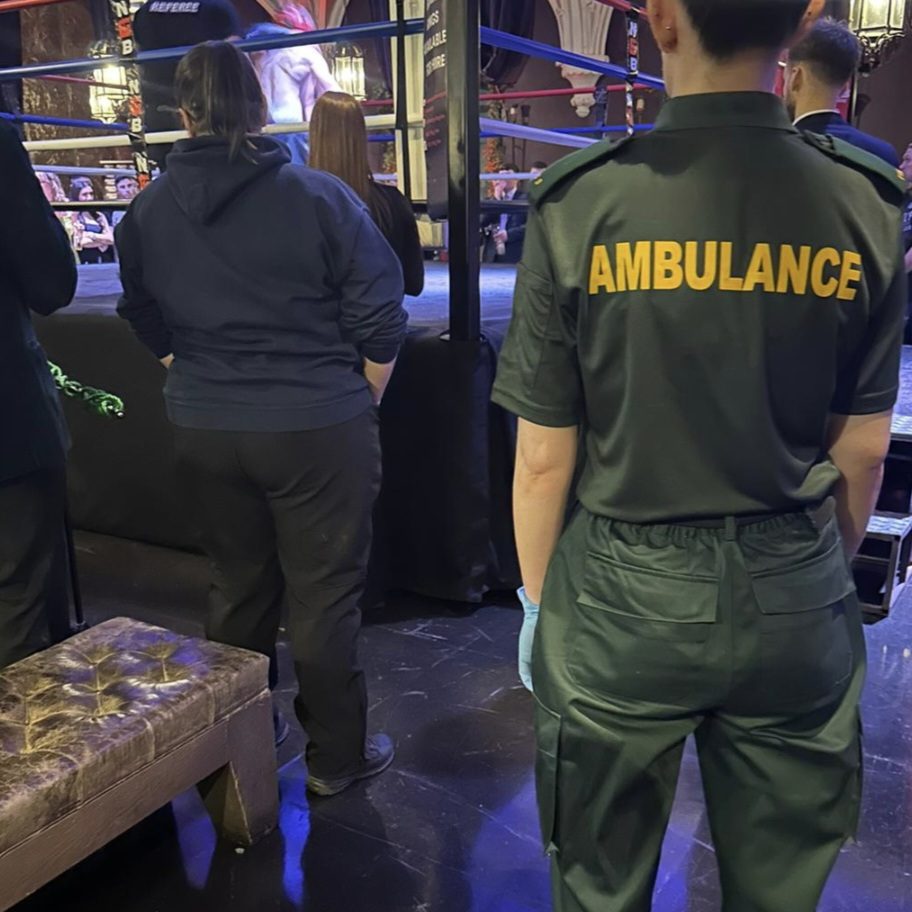
Contractor must dress appropriately for the event. Uniform to consist of ambulance greens, polo and pants, with no other logos on them besides 1st Defence Medical. ID card is to be worn visibly at all times during the Service. Boots should be black.
Jackets are recommended in case of poor weather. Ambulance green, or hi-vis ambulance jackets. No logos other than 1st Defence Medical to be visible when on shift.
Please note that the "NHS" logo should not be visible on uniform while on shift.
Epaulettes and clothing must reflect qualification level.
SAFEGUARDING
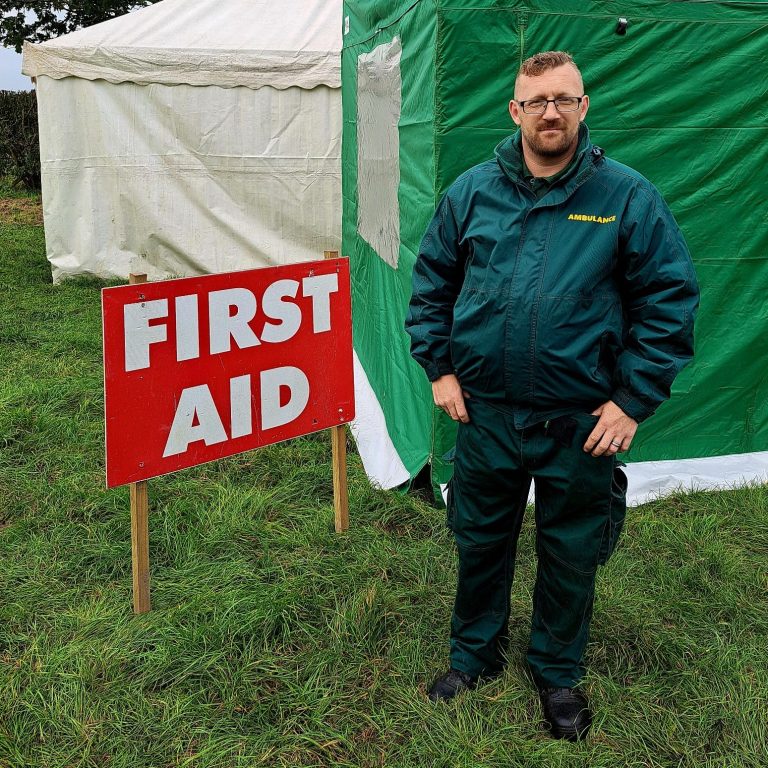
All Safeguarding Concerns Must Be Reported ASAP to Safeguarding Lead: Chris Lee
If a situation arises where you have concerns about the welfare or safety of an individual, while on shift, a Safeguarding Report must be made to our Safeguarding Lead as soon as possible. If the individual is in immediate threat, please first contact 999 for Police assistance, then contact Chris as soon as possible after.
Please document thoroughly your concerns, and details of those involved, and pass this information on to Chris as soon as possible.
This must be completed before the end of your shift.
Christopher Lee
Mobile: 07780 081983
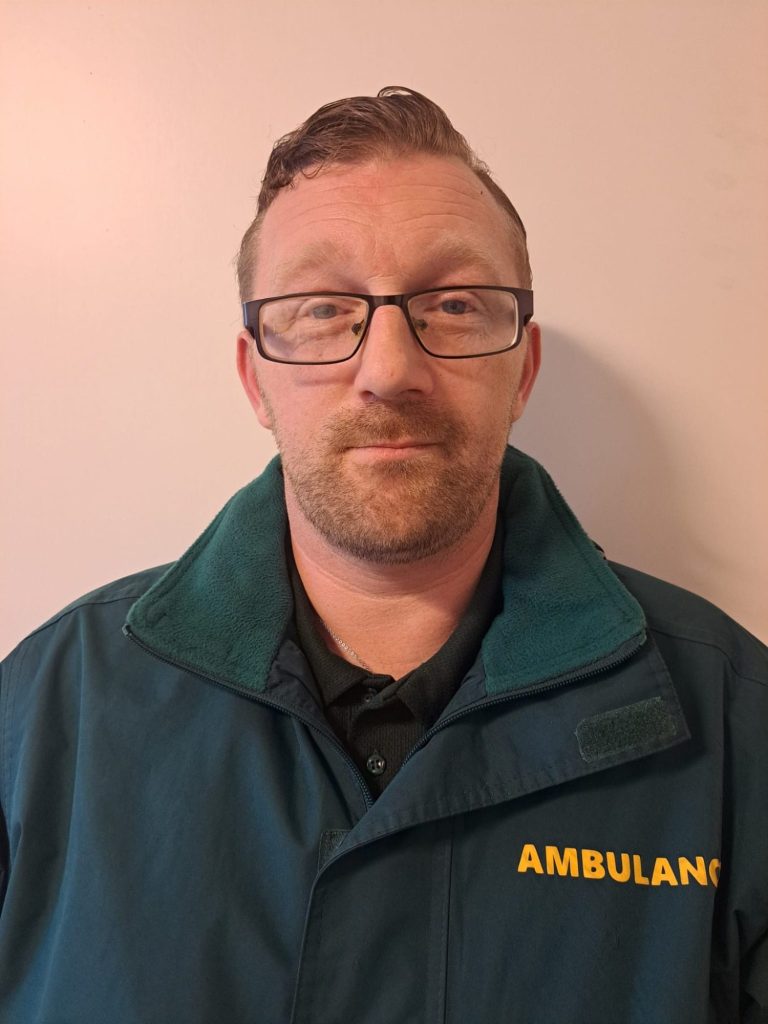
Policies and Procedures
Infection Control
PPE
Relevant PPE is to be worn at all times. Gloves are to worn anytime bodily fluids may be involved, and are encouraged at all times when assessing and treating a patient. Gloves are to be changed between every patient.
HANDWASHING
Wash hands frequently. If handwashing facilities are unavailable, use hand sanitizer. This is to be completed between every patient.
COVID-19
If you have a positive confirmation of Covid, please advise Chris as soon as possible. Your shift will need to be covered.
COVID-19: guidance and support - GOV.UK
Needle Stick Injuries: Prevention and Policies
A Needlestick Injury (NSI) - NSI is where a needle or sharp object, contaminated with blood or other body fluid, penetrates the skin. For the purpose of this policy, this also includes human bites and scratches that break the skin and mucosal surfaces such as eyes or mouth.
Risk Reduction Measures:
Sharps bins:
- should be in the most appropriate and accessible place (one should be easily accessible in First Aid Post, Ambulance, and Kit Bags at all times)
- should be replaced when half full, rather than to the indicated line, as concern re needles springing back
- should be signed and dated when constructed; and again when closed
- when firmly sealed should be disposed of in the clinical waste bin (please advise Chris/Anna if any sharps bins are noted to be needing replacement)
Whilst using sharps:
- dispose of sharps immediately after use, one at a time
- Universal precautions should be taken, including wearing gloves
- Sharps will be disposed of by the person who has used them
Should an NSI occur while on shift:
Management of Needlestick/Body Fluid Exposure by the Injured Person It is essential that you follow this procedure with the minimum of delay – if HIV post exposure prophylaxis (PEP) is required, this should, if possible be started within one hour of the Needlestick/body fluid exposure incident.
Splash contamination injuries to eyes and mouth: Wash site immediately and thoroughly with water. Splash or injury to skin
Wash site immediately and thoroughly with soap and water. Do not scrub the injured area and do not use antiseptics. Gently encourage puncture wounds to bleed by pinching skin around the site of injury. Do not suck the injury site under any circumstances. Bites If possible, remove any teeth, dirt, hair etc. that might remain in the wound. If a bite has severed a body part, e.g. finger or ear, wash it with tap water, wrap it in gauze and store it in a plastic bag surrounded by ice so that it can be transported to hospital.
Immediately Following First Aid Make a note of the name, date of birth and address of the source patient involved. If he/she cannot be identified, record where the sharp was located, how the injury was sustained and the exact area of your body that was injured/splashed.
Telephone Chris Lee immediately at 07780 081983
An incident report must be completed.
Policies and Procedures
Health and Safety
Statement of Intent:
We express our unwavering and resolute commitment to the continuous enhancement of health and safety standards throughout our organisation. It is our imperative to safeguard the health and safety of all individuals potentially affected by our operational activities, encompassing staff, those employed by us or working under our supervision, members of the public around us, and patients. We are dedicated to adhering to health and safety legislation and complying with the directives of the Health and Safety Executive and other pertinent regulatory authorities. Our policy underscores our active dedication to making health and safety at work integral to our business model, recognising that a secure working environment contributes significantly to our organisational success.
Responsibilities:
It is the responsibility of all medical personnel to proactively identify and mitigate risks while strictly adhering to established policies and procedures consistently.
Health and Safety Officer: Anna Barker
For any health and safety concerns during your shift, please promptly contact Anna Barker at 07464 712069.
Arrangements:
Personal Protective Equipment (PPE):
Appropriate PPE must be worn at all times. Gloves should be donned whenever there is potential exposure to bodily fluids and are strongly advised during patient assessments and treatments. Gloves must be changed between each patient interaction.
Working Alone:
Medical personnel should strive to work in teams of no less than two individuals whenever feasible. However, during smaller events, there may be instances when only one medic is on duty. At all times, the safety of medical personnel must be the utmost priority. Should assistance to a casualty pose a danger, it is essential to immediately contact emergency services by dialling 999.
The complete Policies and Procedures regarding Health and Safety can be viewed here.
Policies and Procedures
Disciplinary and Grievance + Equal Opportunities Policies
Resources
Further Resources for Staff Reference
If you have questions regarding any of the material, please send us an E-mail
Safeguarding
CPD: Continued Professional Development
Recommended resource:
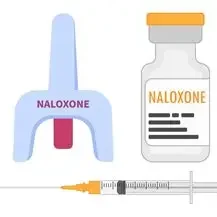
PGD - NALOXONE
Patient Group Direction for Naloxone administration in case of suspect opioid overdose.